 +
+

What is Secondary Vulcanization for Sway Bar Bushings?
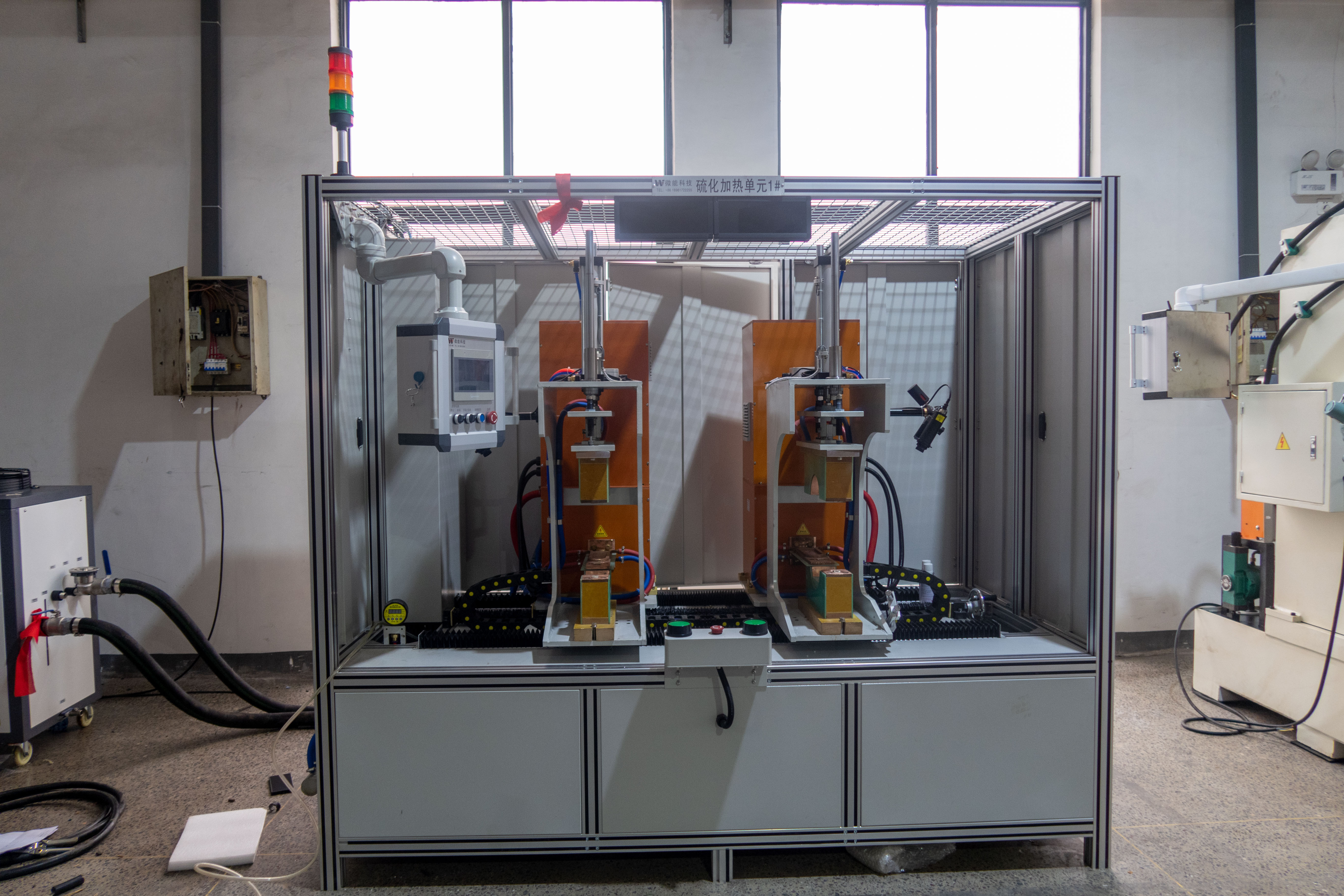
Secondary vulcanization (also called post‑cure) is a critical post‑molding heat‑treatment process applied to sway bar bushings after their initial (primary) vulcanization. It is not a re‑molding step, but a controlled thermal finishing process that optimizes the rubber’s performance and durability.
Basic Definition
Primary vulcanization: The first molding step where raw rubber is heated and pressed into shape, forming basic cross‑links and giving the bushing its initial form and elasticity.
Secondary vulcanization: A second, lower‑pressure, longer‑duration heating cycle (typically in an oven) that completes the cross‑linking reaction, removes residual chemicals, and stabilizes the material.
Why It’s Done for Sway Bar Bushings
Complete cross‑linking
Finishes unreacted polymer bonds from primary vulcanization, creating a denser, more stable molecular network.
Boosts tensile strength, tear resistance, and fatigue life—critical for bushings that twist and flex constantly.
Remove volatile by‑products
Eliminates low‑molecular‑weight residues (e.g., from peroxide curing agents) that cause odors, softening, or premature degradation.
Prevents “outgassing” and material breakdown under engine‑bay heat.
Improve dimensional stability
Reduces post‑production shrinkage and warping, ensuring the bushing fits precisely on the sway bar and inside the bracket.
Lower compression set
Minimizes permanent deformation under long‑term load, so the bushing maintains its cushioning and isolating performance over time.
Typical Process Steps
Post‑molding heating
Bushings are placed in a convection oven at 150–200°C for 2–4 hours (varies by rubber compound: EPDM, polyurethane, silicone).
Controlled cooling
Gradual cooling to room temperature to avoid thermal stress and cracking.
Quality verification
Testing for hardness, rebound, compression set, and dimensional accuracy.